


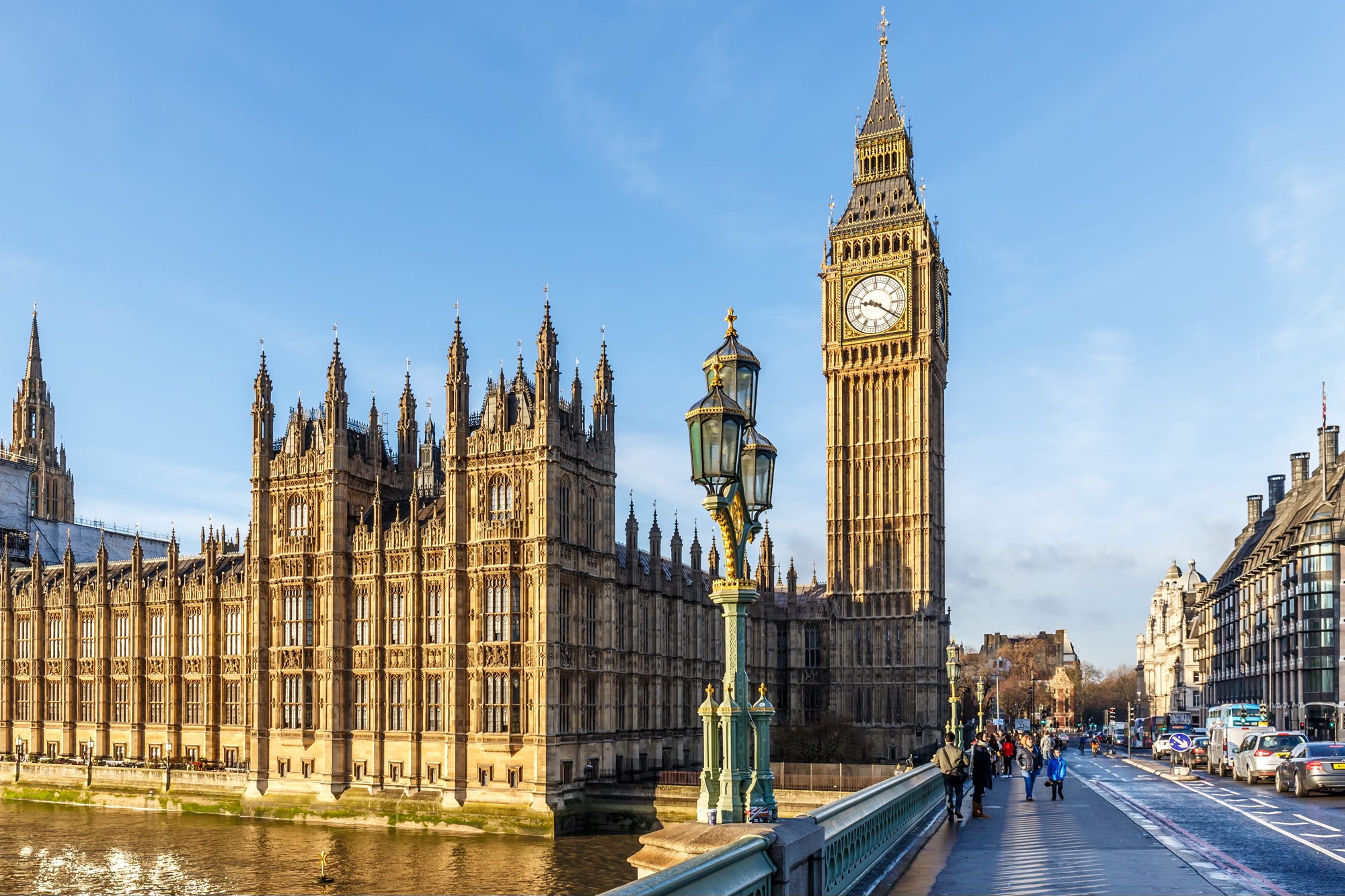
Trust in politics is at rock bottom, turnout is falling, and millions of people feel decisions are made by a distant Westminster elite with little regard for everyday life.
That sense of disconnect did not come from nowhere. It has been earned — through broken promises, endless scandals, and a political system that too often protects itself instead of serving the public.
If Britain is to be reformed in any meaningful sense, the system of government itself must change.
Why People No Longer Trust Politics
From expenses scandals to revolving-door careers, from unaccountable quangos to laws passed with minimal scrutiny, the public sees a political class that plays by different rules.
MPs can fail repeatedly without consequence.
Peers can shape legislation without ever facing voters.
Local communities are overruled by central government with ease.
And when things go wrong, accountability is rare.
This is why simply changing policies is not enough. The machinery of government needs reform, so power flows back to the people.
Reforming the Political Class
Reform UK positions itself as an anti-establishment force for a reason: the establishment has failed.
One area ripe for debate is term limits for MPs. Politics was never meant to be a lifelong career. Limiting how long someone can sit in Parliament would:
reduce careerism
bring in fresh perspectives
weaken the grip of party machines
Alongside this, stronger recall mechanisms would give voters real power to remove MPs who betray trust or fail to represent their constituents — not just in extreme cases, but where standards clearly slip.
The House of Lords: Reform or Abolition?
The House of Lords is often defended as a source of expertise — yet it remains unelected, unaccountable, and bloated, with hundreds of members appointed through patronage.
Many voters rightly ask: why should people who never face the electorate shape our laws?
Options range from:
replacing the Lords with an elected second chamber
drastically reducing its size and powers
or abolishing it altogether
Whatever the solution, the status quo is increasingly hard to justify in a modern democracy.
Fixing How We Elect Governments
Another growing frustration is the feeling that votes do not always count. Large numbers of people support parties that gain millions of votes but little representation.
That has reopened debate around electoral reform, including proportional representation or alternative voting systems. While views differ, the underlying concern is legitimate: Parliament should reflect the country more accurately.
At the very least, this debate deserves honesty rather than fear-mongering.
Decentralising Power Back to Communities
Britain is one of the most centralised countries in the democratic world. Decisions about housing, planning, transport, and services are routinely taken far from the people they affect.
True reform means:
devolving real powers to local councils and communities
restoring accountability at a local level
ending the habit of rule-by-Whitehall
People are far more likely to trust decisions they can influence.
Reforming the System Is Not a Distraction — It’s the Point
Critics sometimes say political reform is a sideshow compared to “real issues” like the economy or immigration. The truth is the opposite.
A broken system produces broken outcomes.
If politicians are unaccountable, waste continues.
If power is concentrated, communities lose control.
If voters feel ignored, extremism and apathy grow.
Fixing Britain means fixing how Britain is governed.
A Different Kind of Politics
Reform UK’s appeal lies in a simple idea: the system is not working, and tinkering around the edges won’t fix it.
Whether it’s term limits, Lords reform, stronger accountability, electoral change, or decentralisation, the direction of travel matters more than the exact blueprint. Power should move away from elites and back to the public.
Real reform is not comfortable for those in charge.
That’s why it matters.