


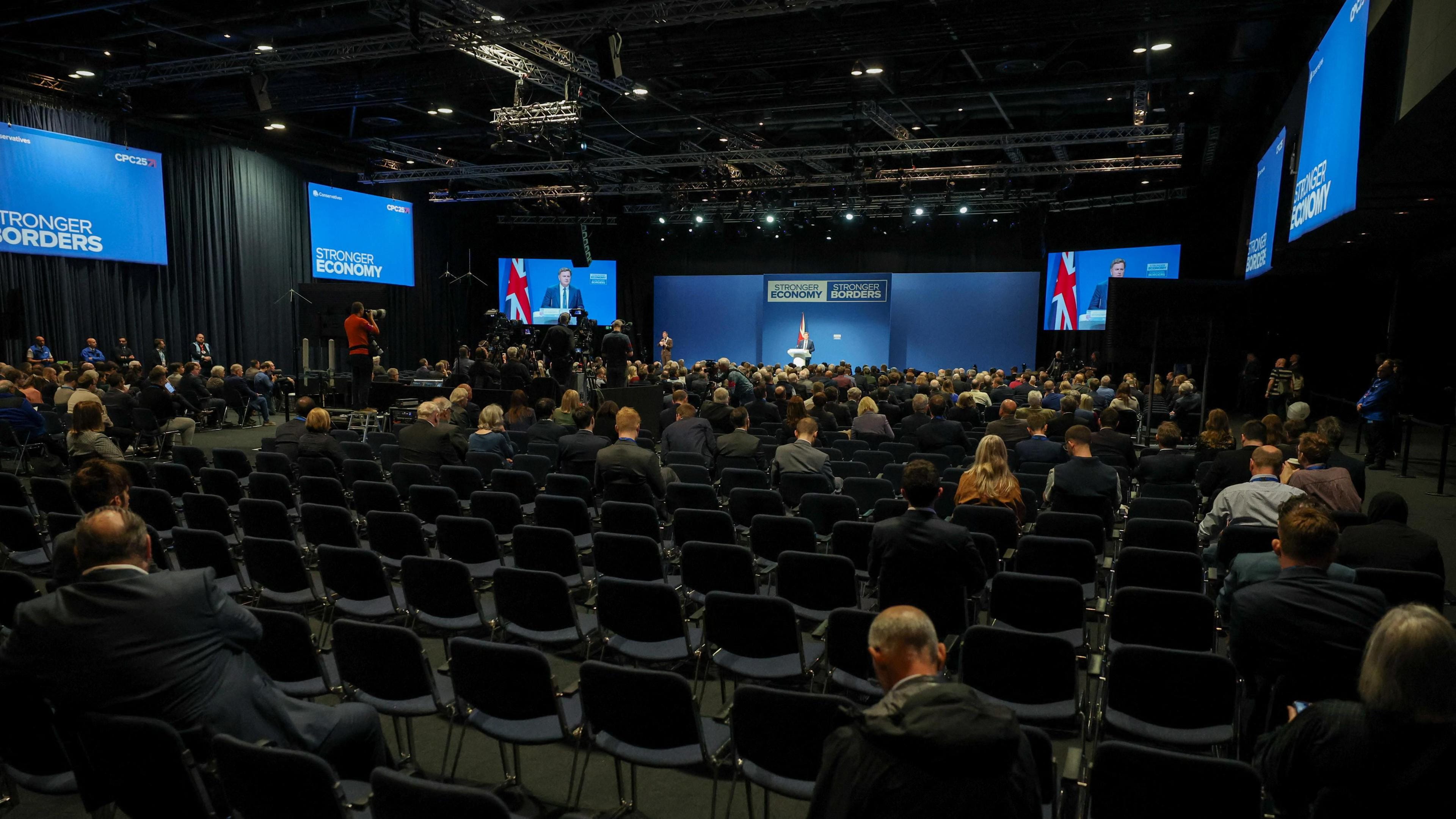
his year’s Conservative Party conference was packed with big pledges, bold rhetoric, and last-minute conversions. But for voters who have watched the Conservatives govern for 14 years, it all rang painfully hollow.
From migration and human rights to spending and tax, the message was clear: say what sounds right now — and hope people forget the record.
A Sudden Conversion on Human Rights and Borders
At the conference, Kemi Badenoch pledged to leave the European Convention on Human Rights (ECHR), scrap the Human Rights Act, and deport 150,000 illegal migrants.
It may sound tough — but voters can see straight through it.
The Conservatives have had 14 years in government to leave the ECHR. They never did. Every legal obstacle to removals, every last-minute injunction, every failure to deport illegal migrants happened on their watch.
By contrast, Nigel Farage and Reform UK have been unequivocally committed to leaving the ECHR since 2021. Not as a conference soundbite. Not as a desperation move in opposition. But as a clear, consistent policy.
The Conservatives are not leading on this issue — they are following, years too late.
The “Golden Rule” That No One Believes
The Conservatives also unveiled a new so-called “Golden Rule”: for every pound saved, at least half would go to reducing the deficit, with the rest used for tax cuts or growth-boosting spending.
They claim to have already identified £47 billion in savings:
£7bn from foreign aid
£8bn from the civil service
£23bn from welfare
This raises an obvious question: why didn’t they do this while they were in power?
If these savings were real, achievable, and responsible, they could — and should — have been delivered over the last decade. Instead, Britain was left with higher taxes, higher debt, and bloated public spending.
The conclusion is unavoidable: either these savings were always possible and the Conservatives chose not to act — or they are not being honest with the electorate now. Either way, trust is gone.
Stamp Duty: Promises vs Reality
Perhaps the clearest example of Conservative double-talk came with the pledge to abolish stamp duty entirely.
Between 2010 and 2022, Conservative governments increased stamp duty on residential properties. A home costing £250,001 in April 2010 attracted a 3% charge; by September 2022, that had risen to 5%.
This is the Conservative pattern in its purest form: promise tax cuts in opposition, then quietly raise taxes in government. First-time buyers, families, and movers paid the price — and are now expected to believe another promise.
They have said one thing and done the opposite too many times.
Why Voters Have Moved On
This conference confirmed what many voters already believe: the Conservative Party no longer deserves the benefit of the doubt.
On migration, they delayed and equivocated.
On spending, they presided over waste and high taxes.
On housing, they raised costs while talking about aspiration.
When parties discover “conviction” only after losing power, voters are right to be sceptical.
Reform UK offers something different: consistency, clarity, and the courage to act. Not conference conversions. Not recycled promises. But policies we have stood by — whether popular or not — because they are right.
Britain does not need another round of Conservative reinvention. It needs real reform — and a clean break from the parties that created the mess in the first place.